Resetting the Palate Between Cigars: A Practical Framework for Back-to-Back Enjoyment
Enjoying cigars consecutively—whether comparing blends, formats, or simply extending a session—requires deliberate palate management. Without it, residual compounds from the previous cigar can distort perception, flatten nuance, and reduce overall enjoyment.
At the centre of this is a simple biochemical reality: cigars deposit oils, tars, and aromatic compounds across the palate. The density of this residue varies depending on three primary factors:
Body of the cigar (light, medium, full)
Duration of the smoke (short format vs full vitola)
Context of consumption (empty palate vs post-meal, or alongside alcohol)
A full-bodied cigar after a heavy meal, for instance, creates a layered residue—tobacco oils interacting with fats, sugars, and acids already present in the mouth. Resetting becomes not just useful, but essential.

Water: The Neutral Baseline
Still water remains the most reliable and controlled method for palate cleansing.
Optimal temperature: room temperature
Reasoning: cold water suppresses gustatory sensitivity by constricting taste receptors, diminishing your ability to perceive subtle notes in the next cigar
Water acts mechanically rather than chemically—it rinses without introducing competing flavours or altering the pH balance of the mouth. For analytical smoking or brand comparison, this is the gold standard.
Sparkling Water: Effective but Time-Sensitive
Sparkling water introduces carbonation, which helps lift and disperse residual oils more efficiently than still water.
However, it introduces a secondary variable:
Carbonic acid lowers oral pH, temporarily increasing acidity
This creates a timing issue. If you move too quickly to the next cigar—particularly a light or medium-bodied one—the altered pH can skew flavour perception, often exaggerating sharpness or muting sweetness.
Recommended buffer: 5–10 minutes before lighting the next cigar
Used correctly, sparkling water is highly effective; used carelessly, it distorts the experience.
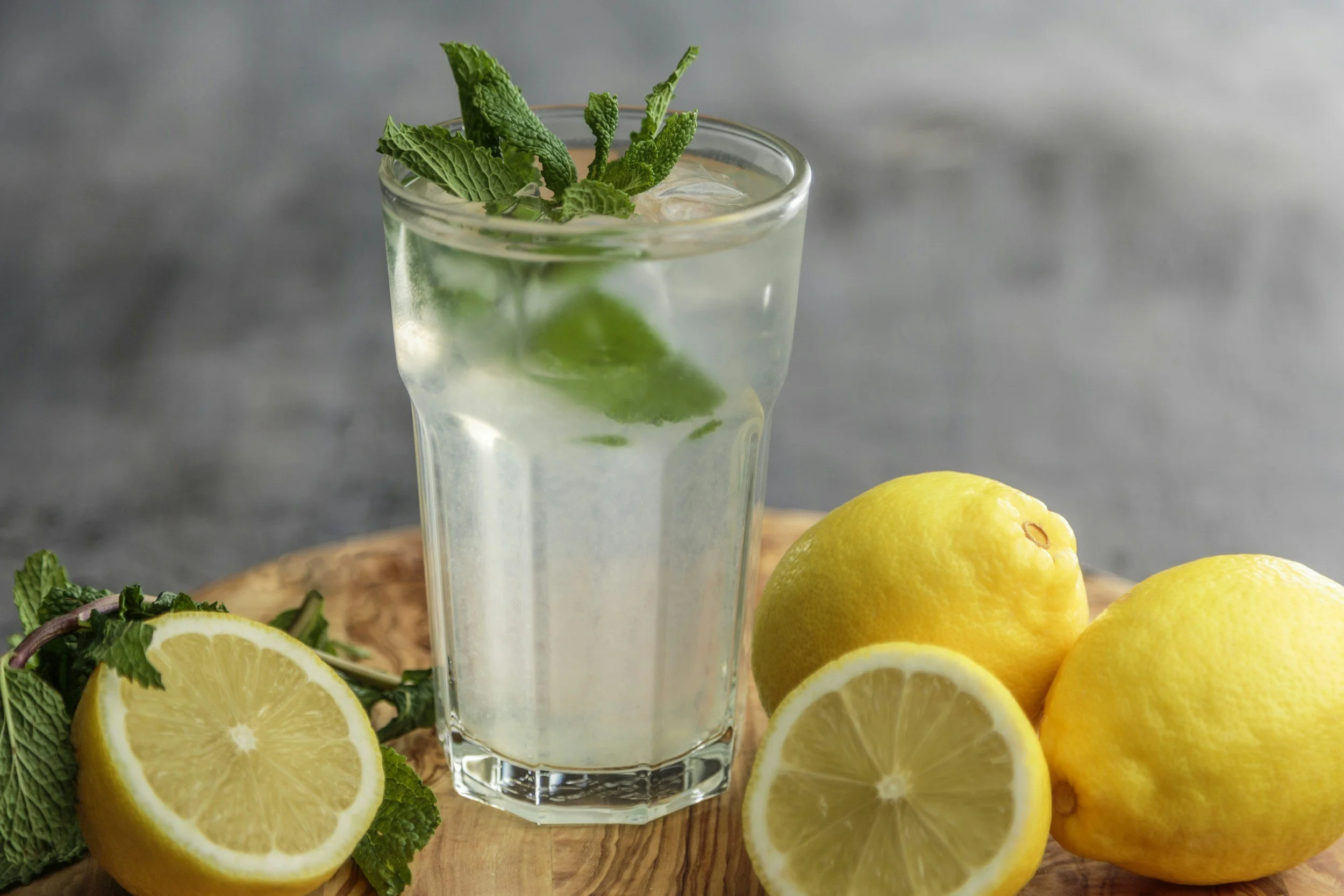
Citrus Additions: Precision Required
Adding lemon or incorporating diluted grapefruit juice increases both enjoyment and cleansing efficiency. These are more active interventions:
They cut through oils chemically
They stimulate salivation, accelerating palate turnover
Yet they introduce two risks:
Residual flavour carryover
Elevated acidity
This makes them unsuitable before delicate cigars.

Practical rule:
Use citrus only when transitioning into full-bodied cigars
Avoid before light or nuanced blends, where even minor flavour contamination becomes noticeable in the first third

Milk: A Lipid-Based Cleanser
Milk operates differently from water or citrus. Its fat content binds to and dissolves hydrophobic tobacco oils, making it one of the most effective cleansing agents from a chemical standpoint.
Advantages:
Neutral profile (relative to flavoured drinks)
High efficacy in removing oil-based residues
Constraints:
Natural lactose sweetness may linger
Variability depending on fat content (whole vs skim)
For those focusing on lighter cigars, even subtle sweetness can alter perception. In those cases, moderation is key.
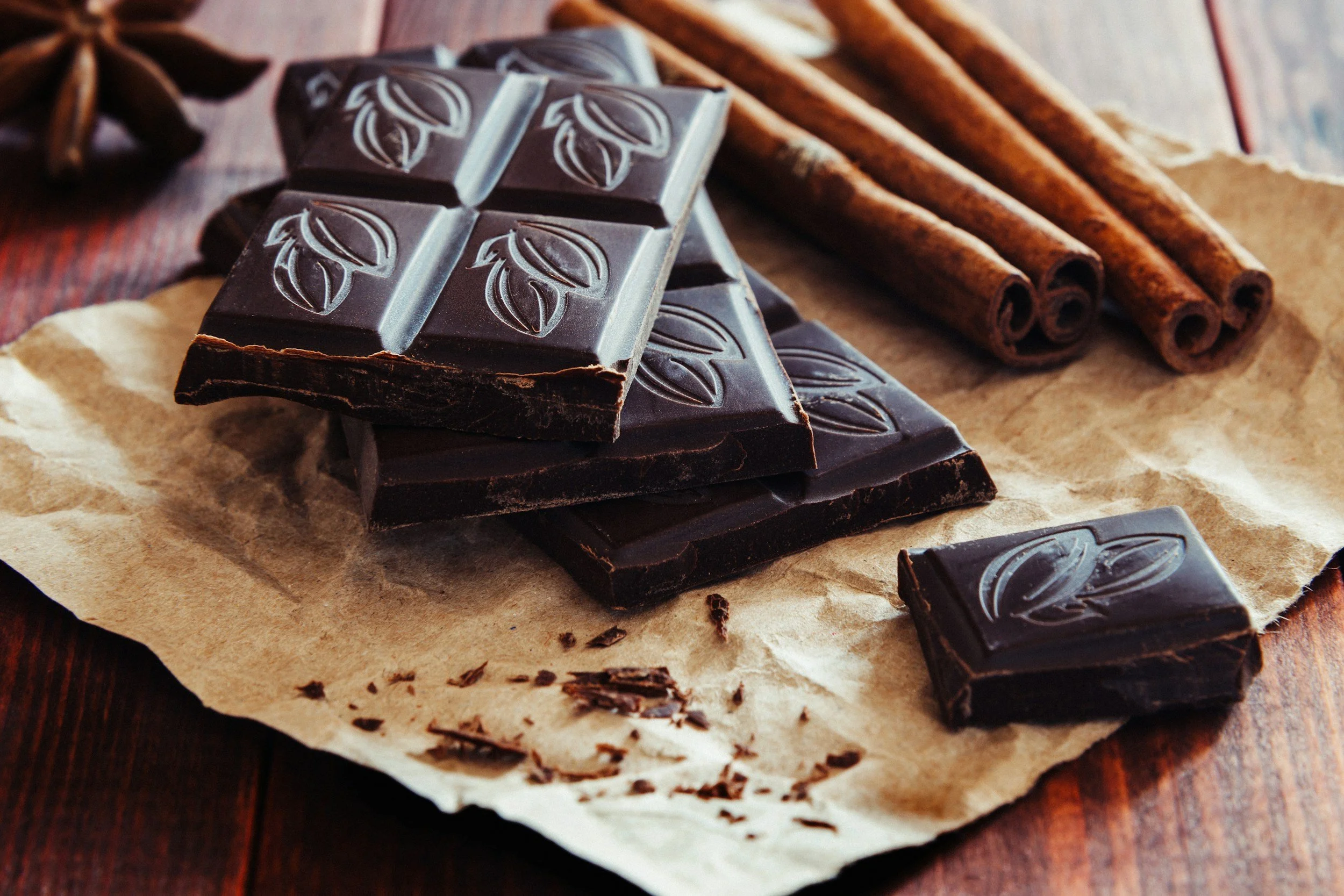
Dark Chocolate: A Structured Interlude
High-percentage cocoa chocolate (60–70%) offers a more sophisticated approach—not just cleansing, but recalibration.
It works on two levels:
Sensory reset: introduces bitterness and cocoa notes that “overwrite” residual cigar flavours
Psychological transition: creates a clear break between cigars, improving attentional reset
There is also a compositional overlap—many cigars express cocoa, coffee, or earthy bitterness—yet chocolate remains distinct enough to avoid confusion.
Guidelines:
Limit to one square (two at most)
Use between longer formats or after heavier cigars
Avoid excess, which can dominate the palate

Physiological and Chemical Foundations of Palate Resetting
To validate and deepen the practical framework above, it is useful to examine what is occurring at a physiological and chemical level during cigar consumption—and how each reset method interacts with those mechanisms.
1. Taste, Smell, and the Structure of Perception
Flavour perception in cigars is not driven primarily by the tongue, but by a combined system:
Gustation (taste buds): detects basic modalities—sweet, sour, salty, bitter, umami
Olfaction (retronasal smell): detects volatile aromatic compounds during retrohaling
Trigeminal system: senses irritation, heat, and texture (e.g., pepper, smoke density)
Taste buds—distributed across the tongue, soft palate, and oropharynx—operate through ion channels and receptor proteins. However, cigars are dominated by volatile aromatic compounds, which are processed in the olfactory epithelium when smoke passes through the nasal cavity during retrohaling.
This distinction is critical:
Taste resets are local and relatively simple
Aroma resets are more complex, involving mucosal surfaces and airflow dynamics
2. Tobacco Smoke: Chemical Deposition
Cigar smoke deposits a mixture of:
Hydrophobic compounds (oils, tars, resins)
Alkaloids (primarily nicotine, mildly basic in nature)
Phenolic compounds (contributing to bitterness and smokiness)
Particulate matter adhering to oral and nasal mucosa
These compounds:
Form a thin film over taste receptors, reducing sensitivity
Alter saliva composition, affecting solubility and signal transduction
Coat the nasal epithelium, muting aromatic clarity during retrohaling
The persistence of this film explains why consecutive cigars can feel “compressed” in flavour without intervention.
3. Mechanisms of Palate Resetting
Each of your proposed methods operates through one or more of the following mechanisms:
A. Mechanical Rinsing (Water)
Physically removes loosely bound particles
Dilutes saliva and reduces concentration of residual compounds
Does not significantly alter pH or receptor state
Scientific assessment:
This is the most neutral intervention. It restores baseline conditions without introducing confounding variables. However, its ability to remove hydrophobic residues is limited.
B. Carbonation and Mild Acidity (Sparkling Water)
Carbon dioxide forms carbonic acid, lowering oral pH
Effervescence enhances physical detachment of residues
Increased acidity temporarily modifies receptor sensitivity, especially for bitter and sour detection
Scientific assessment:
More effective than still water in removing residues, but introduces a transient chemical bias. The recommended waiting period (5–10 minutes) aligns with the time required for salivary buffering systems to restore neutral pH.
C. Acidic Agents (Lemon, Grapefruit)
Lower pH more significantly than carbonation alone
Increase salivary flow, accelerating clearance
Chemically interact with basic compounds (e.g., nicotine), altering their perception
Scientific assessment:
Highly effective in chemical disruption and clearance, but at the cost of sensory distortion. Acidic environments heighten perceived sharpness and suppress certain aromatic nuances—particularly problematic for lighter cigars.
Your practical guideline—to reserve this for full-bodied cigars—is chemically coherent.
D. Lipid Interaction (Milk)
Milk fats act as solvents for hydrophobic compounds
Proteins (casein) can bind certain phenolic molecules
Creates a coating effect that can both cleanse and linger
Scientific assessment:
From a strictly chemical perspective, this is one of the most effective methods for removing tobacco oils. However, it replaces one film with another (lipid-based), which may subtly influence subsequent perception—especially sweetness and mouthfeel.
E. Bitter Reset (Dark Chocolate)
Introduces polyphenols and alkaloids (e.g., theobromine)
Engages bitter receptors, effectively “recalibrating” sensory contrast
Provides a competing flavour profile that overrides lingering notes
Scientific assessment:
Less of a cleanser in the strict sense, more of a sensory reset mechanism. It works by shifting the perceptual baseline rather than fully removing residues. This explains its effectiveness as an “interlude.”
4. Retrohaling: The Overlooked Dimension
When retrohaling, smoke passes over the olfactory epithelium, where volatile compounds bind to receptors embedded in mucus.
Two important implications:
Residue accumulation in nasal mucus can dull aromatic perception
Unlike the mouth, the nasal cavity is less accessible to direct cleansing
Hydration plays a key role here:
Adequate fluid intake maintains mucus viscosity, allowing better clearance
Time—not just intervention—is required for full aromatic reset
Sparkling water and acidic agents may indirectly assist by increasing salivation and swallowing, but they do not directly cleanse the nasal passage.
From a physiological standpoint, pauses between cigars are more critical for retrohaling recovery than for gustatory reset alone.
5. Comparative Scientific Evaluation
If one ranks the methods strictly by chemical effectiveness vs sensory neutrality, a hierarchy emerges:
Still water (room temperature)
Most neutral
Moderate effectiveness
Ideal for accurate flavour evaluation
Sparkling water (with delay)
High effectiveness
Temporary pH disruption
Optimal with proper timing
Milk
Very high effectiveness (lipid dissolution)
Moderate sensory interference
Citrus-based methods
High chemical effectiveness
High sensory distortion
Best used selectively
Dark chocolate
Low chemical cleansing
High perceptual reset value
6. Synthesis: What Is “Best”?
Scientifically, the “best” method depends on the objective:
For analytical clarity and comparison:
→ Room-temperature still waterFor efficient removal of heavy residue (e.g., after full-bodied cigars):
→ Sparkling water (with recovery time) or milkFor experiential enjoyment and transition between cigars:
→ Dark chocolate or mild acidity (strategically applied)
Your original framework aligns closely with these findings. The key refinement from a scientific standpoint is this:
The optimal reset balances chemical removal of residues with minimal alteration of receptor sensitivity and perceptual baseline.
Final Observation
Palate resetting is not merely a matter of cleansing; it is a controlled manipulation of a biological system. The tongue, the nasal epithelium, and the trigeminal network each recover at different rates and respond differently to interventions.
Understanding this allows for intentional sequencing—not only of cigars, but of the entire sensory environment surrounding them.
If approached with this level of precision, back-to-back cigar enjoyment becomes not only viable, but deeply expressive.